

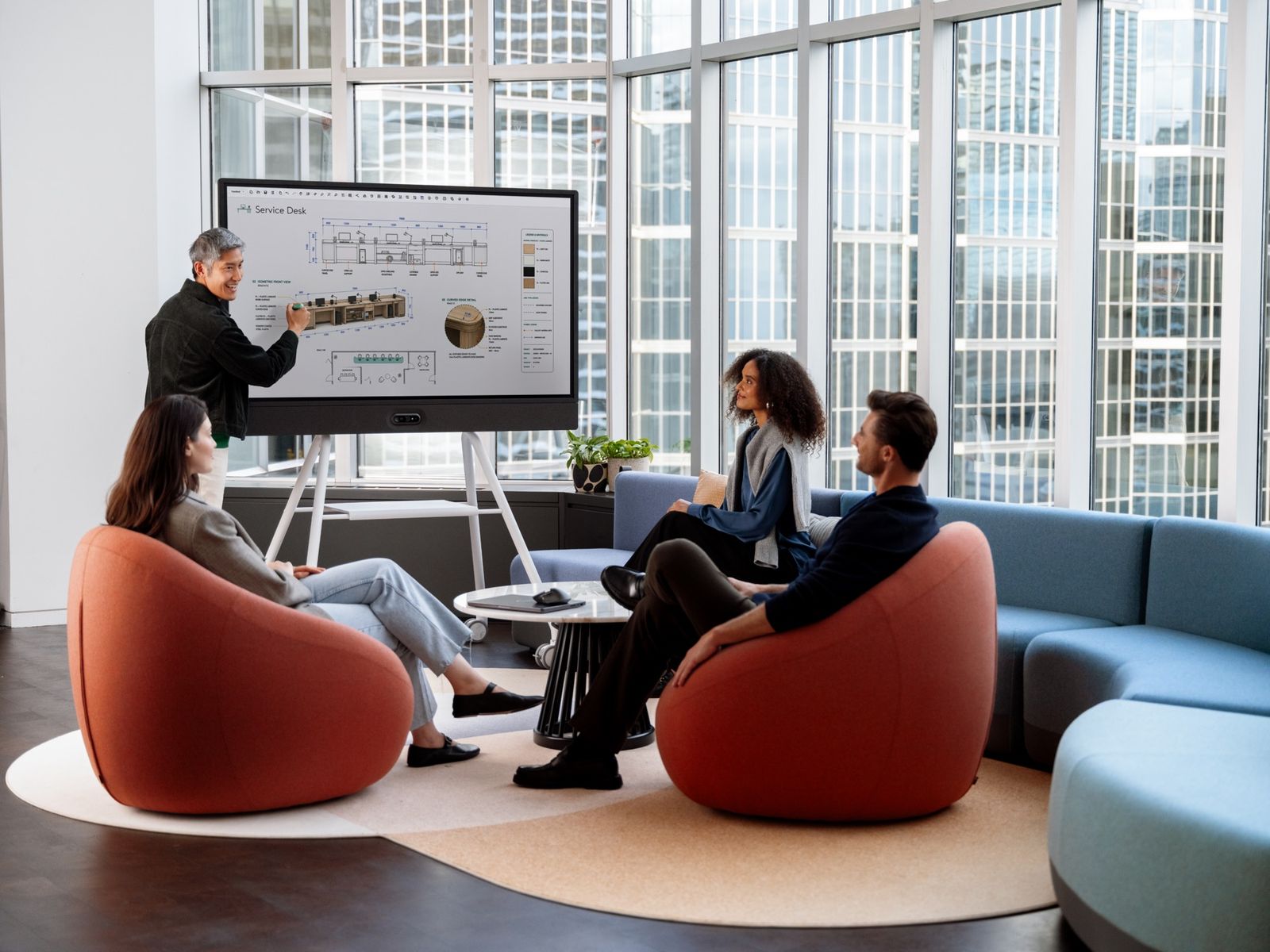

Tech setup and intentionality
How deliberately someone chooses, builds and continues to evaluate the physical devices and tools that make up their everyday tech experience.

The more technology powers our lives, the question of what it means to be human becomes more urgent.
What agency or control do we really have? How does technology affect who we are and how we feel? How can we harness technology to extend our true potential?
The first-ever global Logitech Ctrl Tomorrow Study explores these questions and many more. It interrogates the control we humans can exercise over the technology in our lives – and more importantly, how that control affects our confidence, optimism, sense of connection and wellbeing. With the tide of technological change, some of us might feel left behind or swept along, while others may feel buoyed up by it.
At Logitech, we have long believed that technology has the power to extend our human potential in work and at play. When humans control the tech of today, we control tomorrow.
In just 50 years, we have seen the PC revolution, followed by the mobile revolution, the rise of cloud and spatial computing, and today’s rapidly evolving artificial intelligence landscape.
All these tech developments have had a big impact on people’s daily lives – at work and play.
Logitech products are the point of connection between people and the digital world, so the interplay between humans and technology is deeply important to us. While most research on technology stops at measuring productivity, we wanted to ask a different question: how does our experience with technology influence how we feel – at work, at home and about what tomorrow will be like?
The global Logitech Ctrl Tomorrow Study draws on surveys with more than 8,000 respondents from nine countries, including an additional oversample of gamers and a set of in-depth interviews in the United States with IT Decision Makers (ITDMs).
And the findings reveal that people’s control over their technology is a key driver of emotional benefits, productivity gains and their feeling of what is possible tomorrow.
The more control you have, the more upsides you experience. But the data also shows that more negative emotions come with feeling a lack of control.
Explore our findings:
More than 3 in 4 of people globally agree that those who feel more in control of their technology genuinely get more out of life.
About 3 in 5 say control over their tech affects their overall mood.
1 in 2 say they have accomplished something they did not think was possible when they were in control of their technology.
Nearly 2 in 3 report feeling frustrated, anxious, or angry when technology fails.
Almost 1 in 2 report feeling helpless, embarrassed, exhausted, or like they are falling behind when technology fails.
About 3 in 5 say tech friction affects their sense of control over their personal lives and their overall mood after work hours.
To better understand and measure control for the Logitech Ctrl Tomorrow Study, we built a new, trackable benchmark called the Ctrl Score. It is the first global composite index of technology control, and maps where people sit on a continuum of control, ranging from non-participation in the world of tech to full technological command.
Each score is calculated from people’s responses to questions across these three dimensions of control. Together, they capture the functional tech choices people make and the emotional weight those choices carry. They also provide insight into how anyone can gain more control.
How deliberately someone chooses, builds and continues to evaluate the physical devices and tools that make up their everyday tech experience.
How confident, knowledgeable and open someone feels when using technology and adopting new tools.
Whether someone sees technology as something that unlocks their potential to get things done, create, grow and connect with others, or something that holds them back.
Not everyone relates to technology the same way and the five distinct profiles on the Ctrl Score continuum show that clearly. Each profile gauges a person’s comfort with new technology. Each also reveals how likely they are to experience personal and professional benefits or disadvantages. It is a score that can change over time, as someone’s attitudes and approach to technology do.


Every dimension firing and deliberate relationships with technology.

Intentional and mostly confident.

Comfortable, but comfort is not control.

Passive participants. Technology arrived and they did not choose it.

Present in a tech-driven world but not participating in it.

Where do you fall on the control continuum?
Take our two-minute Ctrl Score quiz to find out whether you are commanding your technology or letting it command you, and what that means for your confidence, energy and everyday potential.

Share your results:


Or copy this link to share

Global results show the people with higher Ctrl Scores have the highest potential to experience benefits at home and at work. While about a third of people feel a high degree of agency over their technology, 70% are less intentional with their tech setups or have less confidence. That prevents them from fully realizing the benefits control over technology can offer, like better creative flow or more energy. It also opens them up to the downsides that come with a poor tech setup, like feeling helpless when tools fail.
Put a Tech Commander and a Tech Observer side by side, and their emotional relationship to the exact same piece of technology would look wildly different. Where one sees opportunity, the other feels anxiety. Control shapes how people experience the world they are living in every day, from how hopeful they feel to how lonely they might be.
 96%
96%
96% look forward to new technology
89%
89% say tech creates new opportunities
89% say it brings them closer to people they care about
 Key finding
74% feel anxious about new technology
60% say tech creates new pressures
53% say it makes them more isolated
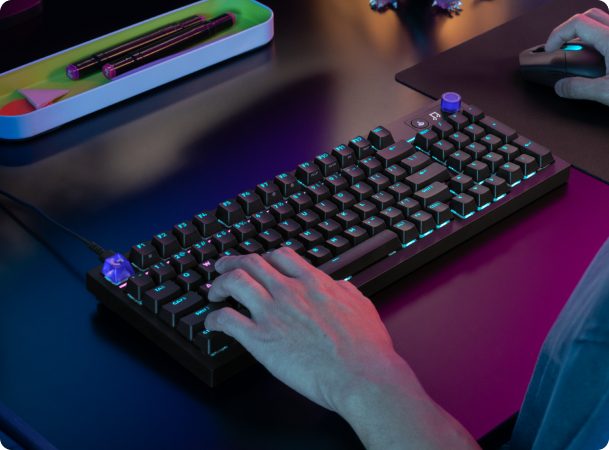

When my tech setup is working the way I want it to, I feel like I could really just climb Mount Everest... I feel like nothing could ever stop me. I feel powerful. I feel invincible.
Jarred, 29
Attitude towards technology, including someone’s level of knowledge and confidence, is linked to their overall sense of control. While those with higher Ctrl Scores are generally more optimistic, those with lower scores still see value in the role that technology can play in their future wellbeing.
91% of Tech Commanders are optimistic that technology will improve their ability to pursue their professional ambitions. But only 54% of Tech Inheritors and Observers share that optimism
41% of people say that if technology handled their routine or repetitive tasks, they would focus more on improving their wellbeing, mental health, and work-life balance. That rises to close to half for those with the lowest control – suggesting that people who feel furthest from control today are most likely to view the future value of technology through the lens of personal wellbeing.
If control over technology were simply a function of money, the wealthy would top the list of who people perceive to be most in control – but they do not. Instead, people are more likely to think those with technical expertise hold the most control over technology today, outpacing those who can afford more tools and services, the companies that set the terms and the employers who choose the tech.
The speed of change in AI is rewriting the definition of tech revolution and testing our human ability to adapt. AI readiness is a human challenge before a technology one. Comfort and confidence with the tech already in front of someone is a good predictor of their openness to whatever is coming next, and the global Ctrl Score results show it. The people with the most control are excited about AI and already engaging with it. The people who do not feel in control are holding back and risking falling further behind.
65% of Tech Commanders are excited about AI, and just 5% do not use it at all.
3% of Tech Observers are excited about AI, while 58% do not use it at all.
Ask people about where they are in charge of their tech lives and the answer is often literally in their hands. There’s a real connection between physical devices and feeling a sense of control.
65%
65% feel in more control of their physical devices
58% feel most in control of the time they spend on technology each day
57% feel most in control of how their apps and devices work together
Key finding
Hardware is a crucial entry point for control and in turn, for AI adoption. It is the layer people can configure, customize, and truly own. The data shows people are not letting go of the physical. They are actually holding on to it more tightly, and the more advanced someone's relationship with AI becomes, the truer this seems to be.
42% of people say they rely on physical hardware more now than five years ago to direct and control their technology rising to 51% among Tech Optimists and 76% among heavy AI users.
In Western countries, technology is often treated as a convenience – a tool that makes existing routines faster or easier, but rarely something people think to actively shape. In many rising economies, technology functions differently. It is a pathway to advancement, and mastering it is directly tied to aspiration. That distinction of utility versus opportunity appears to drive how intentionally people engage with their technology.
China and Brazil lead all markets in agreeing that technology enables their personal potential, at 80% and 78% respectively, compared with just 45% in France and 56% in Germany.
The pattern suggests that how people relate to technology has less to do with how advanced their market is traditionally considered to be, and more to do with what they believe that technology can unlock for them.
Compare any two regions using the drop down menus below
Ctrl Score
Ctrl Score

The benefits of control show up beyond day-to-day time savings or efficiency. People describe it in terms of ambition and achievement – in other words, the payoff raises the ceiling on what they believe is possible for themselves.
0%
agree that people who feel more in control of tech get more out of life.
0%
say the right technology setup can be the difference between reaching their goals and falling short.
0%
say they feel more in control of other areas of their life when they control their tech.
Aspirations are just one part of the story. Control over technology brings people the same benefits they seek from wellness routines or even time off.
feel more optimistic about their future when they are in control of their tech.
experience real improvements in their physical or mental wellbeing.
say control over their tech affects their overall mood.

I don't feel like I'm unable to participate and be actively engaged or socially engaged... Those are things that give me joy and help my life to be what I would like for it to be. It makes me feel good and confident.
Rebecca, 60
Ask workers what shapes their performance day to day, and a surprising number point to something as simple as whether their tools work the way they expect. How people feel for eight hours a day matters. When their tech setup shifts into something that helps them do more than they thought they could, it matters even more.
0%
of workers say control makes them more confident at work.
0%
say it allows them to be more creative and innovative in their role.
0%
say they experience complete focus and peak performance when their tech setup is working for them.

Gamers provide the clearest evidence that control comes with returns. This group has spent more hours than almost anyone building command over their tech and in turn, they’ve gained emotional and practical benefits across different areas of their lives.
The confidence they build by mastering their environment shows up elsewhere, too. It’s in how they approach new challenges, learn unfamiliar tools and perform under pressure. Their experience is a preview of what happens when people explore technology and embrace their agency over it.
Years of creating personalized setups through deliberate choice at home appear to leave a mark at work. That is a lesson for any employer trying to build a more adaptable and resilient workforce.
0%
agree that gaming makes them more confident handling challenges in real life.
0%
say it helps them stay calm and focused in high-pressure, chaotic situations.
0%
say comfort with complex gaming systems makes them less anxious about learning new technologies at work.
0%
of gamers say their gaming setup provides a space where they feel completely in control.
0%
of gamers say gaming is a community activity, that they have built real friendships through it, or that it has made them feel less lonely.
0%
of gamers agree that the right setup affects their ability to stay focused and in the zone.
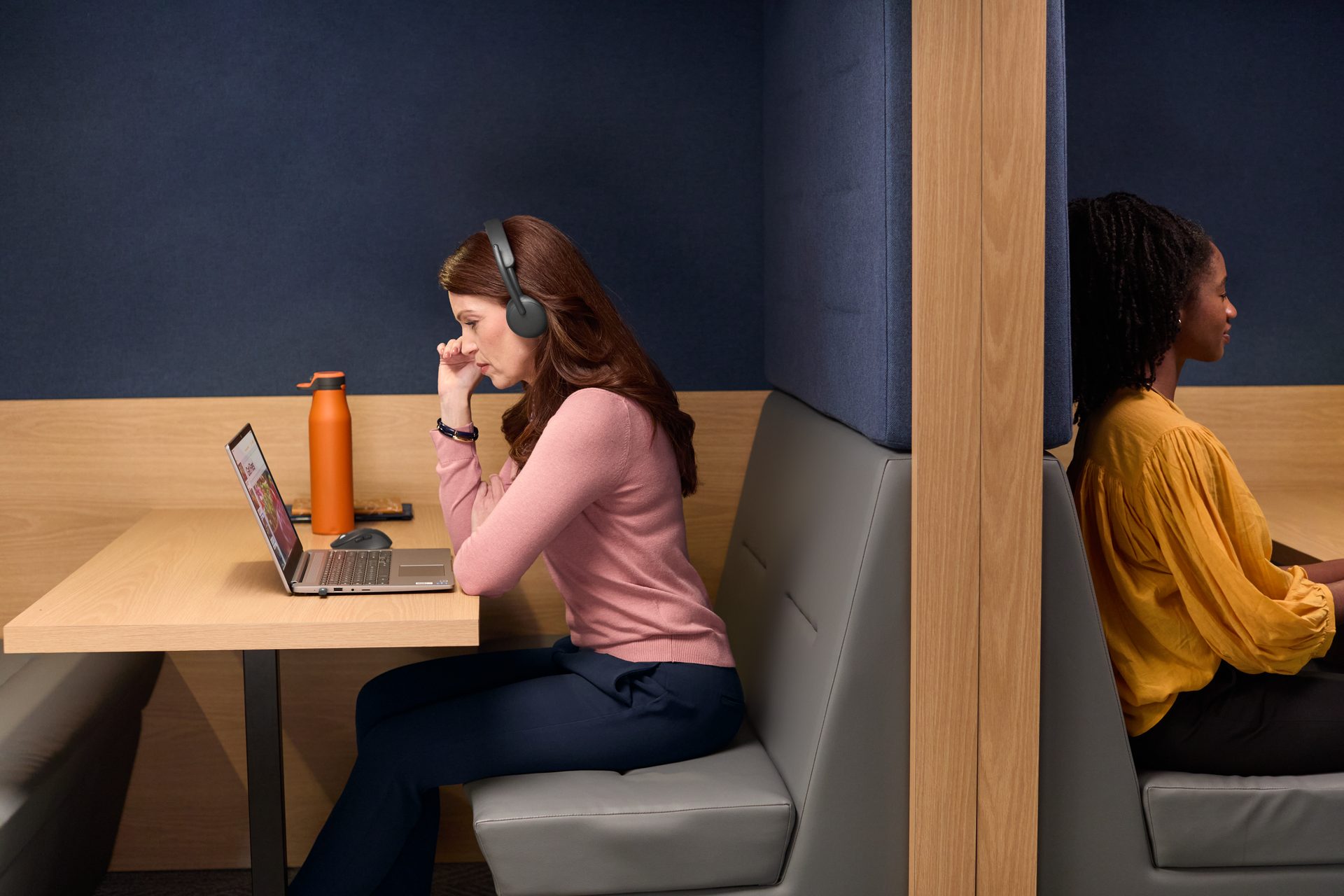
The frustration that comes with a lagging video call connection or friction when switching between devices does not always stay at the desk. For most people, the impact of those lost minutes at work follows them into their off hours – so the downstream impact of poor control is also poorer quality of life.
0%
say tech friction affects their overall mood after work hours.
0%
say it affects their sense of control over their personal lives.
0%
say it affects their energy levels in the evening.

If simply 'trying to work' is a constant battle, that adds an entire layer of stress that people simply do not need in their daily lives.
Wayne, 41, ITDM
48% confident and in control
34% productive
23% calm and focused
64% frustrated, anxious, or angry
46% helpless, embarrassed, exhausted, or like they are falling behind
For too many people, discomfort from their tech setup has become a routine part of working life, quietly normalized in a way that other health issues are not. For people with physical disabilities, that tax is even higher. The people who stand to benefit most from thoughtful design and flexible technology that allow for more control are the least likely to have it in practice.
of people experience physical discomfort – including wrist pain, eye strain, and neck fatigue – at least once a month from their tech setup.
People with disabilities face a bigger strain
feel anxious when a new technology is introduced
say technology enables their potential
have a tech setup that undermines their performance

Of all the environments in people's tech lives, the office ranks dead last for control. That disconnect has a real emotional cost. Employees who have built personalized, even high-performance, setups at home often walk into offices that offer none of that same comfort or command, trading the tools that help them thrive for a standard that few would choose on their own.
The result is a jarring contrast between confidence and flow at home, and frustration and lack of focus in the office – the very place calling for workplace productivity. For hybrid workers especially, that inconsistency may affect mood, focus and energy on the very days they are expected to collaborate and perform in person.
Employers have an opportunity here. When companies invest in equipment and setups that give employees autonomy and physical comfort, they are removing the very friction that gets in the way of the performance they want.
Only 24% of workers say they have more control over their tech in the office, compared to 48% at home or on the go.
Only 1-in-5 workers would keep their current work tech setup if given a free choice.
0%
say they experience complete focus and peak performance when their tech setup is working for them.
0%
say feeling in control of work tech affects their cognitive focus and attention span.
0%
of employees state that tech control impacts their job satisfaction.

When my tech is working as expected, and everything is going great, I feel like I can get into the zone easier.
Hunter, 25
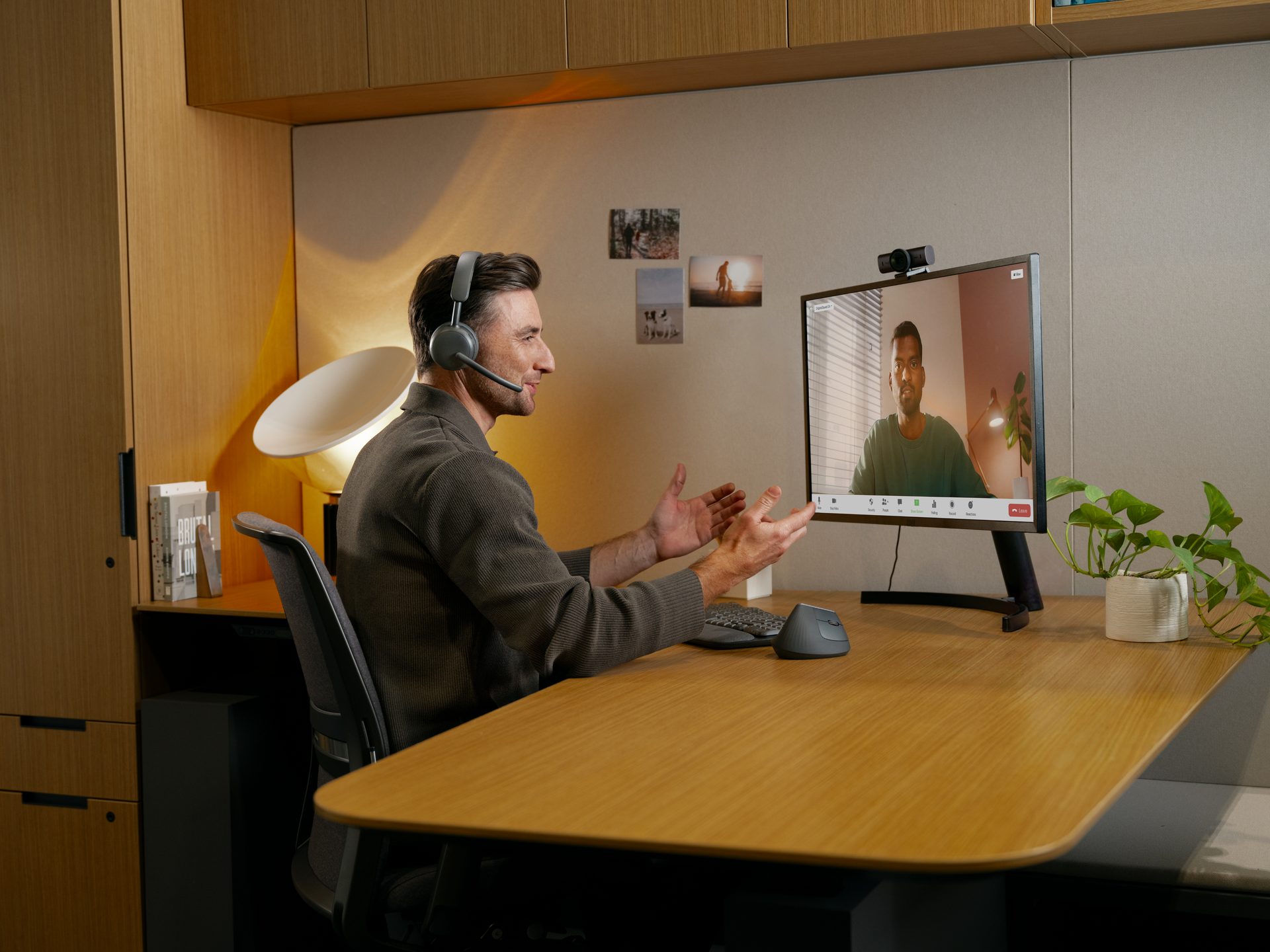
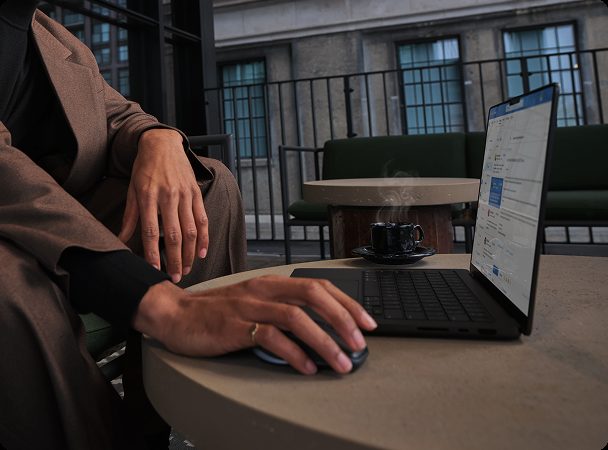
When an employee's tech setup is working exactly the way it should, I see them become...more confident, focused, and productive. They stop thinking about the technology and can put their full attention into their work.
Charbel, 48, ITDM
of IT decision
makers are gamers
compared
with just
of people
globally
IT leaders know that hardware is a talent strategy, not a line item.
Increasingly, they are moving from managing infrastructure to actively shaping operational performance. Their perspectives already line up closely with what people experience day to day, which makes them one of the most reliable signals for what employees need to do their best work. IT leaders know that when employees feel their tools respect their time, they enter a flow state where work gets done.
| Benefit | ITDMs | People Globally |
|---|---|---|
| Mood and emotional wellbeing |
0%
say tech quality affects employee mood and emotional wellbeing during the workday. |
0%
say it affects their overall mood after work hours. |
| Confidence |
0%
say it affects employee confidence. |
0%
say feeling in control of their tech makes them more confident at work. |
| Control at work |
0%
say it affects employees' sense of control over their work. |
0%
say they experience complete focus and peak performance when their tech setup is working for them. |
| Retention |
0%
of IT decision-makers believe tech quality directly affects whether employees stay or leave. |
0%
of employees state that tech control impacts their job satisfaction. |
| Productivity |
0%
of ITDMs see increased productivity when employees are given more control over tech. |
0%
feel confident or in control when their tech works. |
| Benefit | ITDMs |
|---|---|
| Mood and emotional wellbeing |
0%
say tech quality affects employee mood and emotional wellbeing during the workday. |
| Confidence |
0%
say it affects employee confidence. |
| Control at work |
0%
say it affects employees' sense of control over their work. |
| Retention |
0%
of IT decision-makers believe tech quality directly affects whether employees stay or leave. |
| Productivity |
0%
of ITDMs see increased productivity when employees are given more control over tech. |
| Benefit | People Globally |
|---|---|
| Mood and emotional wellbeing |
0%
say it affects their overall mood after work hours. |
| Confidence |
0%
say feeling in control of their tech makes them more confident at work. |
| Control at work |
0%
say they experience complete focus and peak performance when their tech setup is working for them. |
| Retention |
0%
of employees state that tech control impacts their job satisfaction. |
| Productivity |
0%
feel confident or in control when their tech works. |
The opportunity now is for the rest of the business to catch up. IT leaders already understand the human stakes of their decisions. What most organizations lack is a system to measure it. By treating control as a metric, IT leaders can turn their instincts into influence.
Only 0%
of IT decision makers formally and regularly track the human impact of their technology decisions.

The control gap is real. It separates the confident and empowered from those feeling a real burden on their focus and energy.
However, it does not have to be permanent. Anyone can begin closing it today.
For the people who take command of their technology, intentionally build their setup, and refuse to accept the default, tomorrow will not feel like something arriving without warning. It will feel like something they are ready for today.
Physical devices are where people report feeling the most control, and comfort with hardware often becomes the entry point to feeling more confident with everything else, including AI. If you are not sure where to begin, start by looking at the devices you touch every day, from your keyboard and mouse to headset and monitor, and ask yourself if they are actually working for you.
People who regularly ask whether their setup still fits how they live and work are more likely to feel in command of their technology, rather than simply carrying it forward by default. That means staying a little curious even when things are working fine. Even a once-a-year check-in, or trying one new tool before you need to, can shift a passive setup into an active one.
Small, recurring annoyances compound into real costs for mood and energy, both during the workday and after it ends. Addressing the setup issues you have learned to live with is one of the fastest ways to reclaim focus and reduce that daily drain.
The data shows a strong link between control over physical tools and confidence, focus, and job satisfaction. Start by asking employees what is actually working for them at home, and why. Their personal setups are often the clearest blueprint for what helps them focus, and giving people room to shape their own tools at work, rather than issuing a fixed standard, makes them more likely to hit a state of flow and perform at their best.
Only 35% of IT leaders currently track how technology decisions affect employee wellbeing and performance. The awareness already exists among IT leaders themselves, often gained through informal conversations and day-to-day observation. Formalizing that into regular measurement, even something as simple as a short survey twice a year, is what turns instinct into a business case leadership can act on.
The majority of IT leaders already believe tech quality affects whether employees stay or leave, and employees agree that control shapes job satisfaction. The next step is simple: ask people directly what is making their day harder than it needs to be, and what would make it easier. The data shows IT leaders and employees already agree that equipment decisions should be framed around performance and wellbeing, not just cost.

The global Logitech Ctrl Tomorrow Study was conducted by Burson in May-June 2026 across nine countries: the United States, United Kingdom, Germany, France, Switzerland, Australia, India, China, and Brazil.
Burson surveyed a representative sample of n=900 online adults in each country using online research panels. As part of the general population sample, an oversample of n=100 gamers was recruited in each country by screening respondents from the broader online universe based on their gaming behavior and frequency of play. The global margin of error for n=8,168 surveys is ±1.1%. For each country, the margin of error for n=900 adults is ±3.3%.
General population quotas were established prior to fielding in each country and adjusted during data collection to maintain sample integrity based on the online audience. In developing markets – primarily India and China, and to a lesser extent Brazil – samples reflect the connected online population, which skews younger and more educated than the broader national population.
The Logitech Ctrl Tomorrow Global Survey also includes a separate questionnaire administered among n=150 IT Decision Makers (ITDMs) in each country. Online research panels identified relevant professional profiles and screened them against criteria covering their employment status, organizational responsibilities, and company size to ensure alignment with the ITDM definition used in this study. The global margin of error for the n=1,350 surveys with ITDMs is ±2.7%.
The general population and ITDM survey questionnaires were translated, and the language was localized for each country. Burson's in-country expertise across the regions surveyed ensured that meaning and intent were preserved across languages.





 Download